Ingredient profile
Maca Root, Eleuthero and Astragalus in Glyco Defender: The Adaptogen Lines
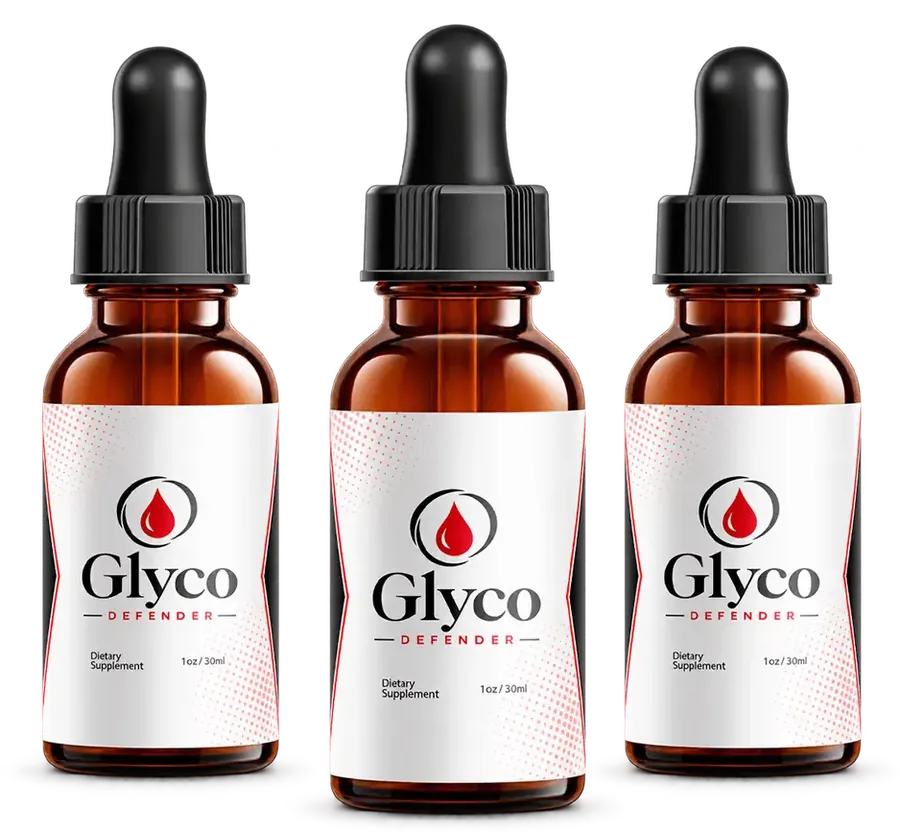
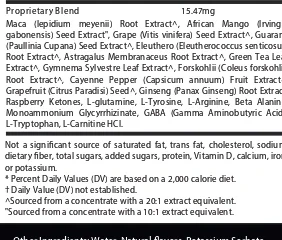
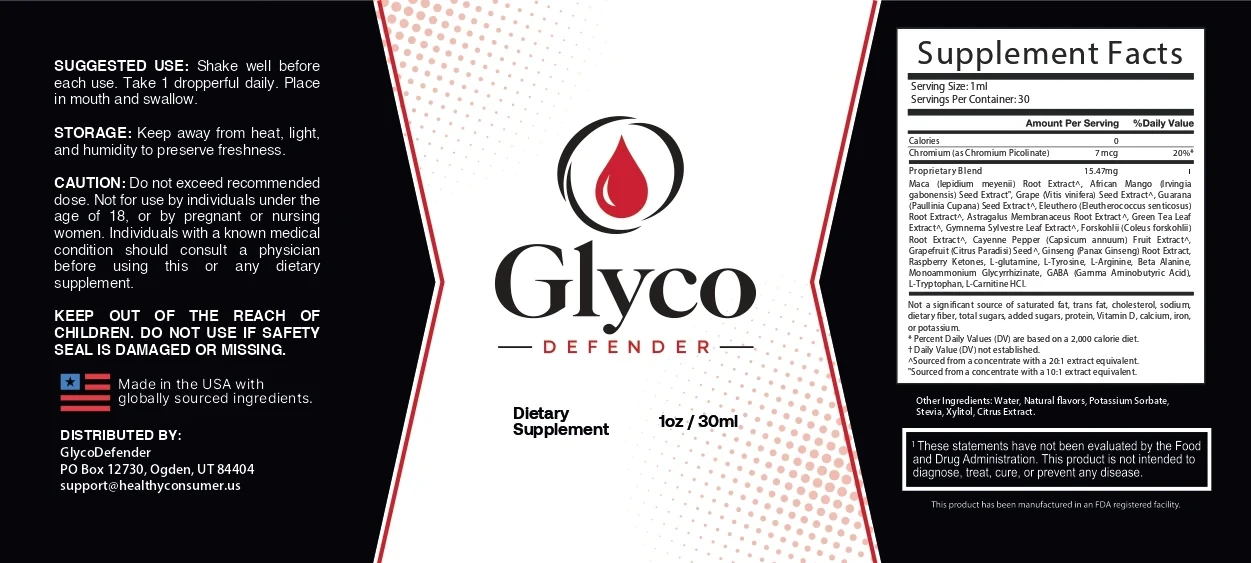
Maca root is the first and largest ingredient in the Glyco Defender blend, and eleuthero (5th) and astragalus (6th) join it as the herbs often called adaptogens. One 1 mL dropper holds at most 15.47 mg of maca, 3.1 mg of eleuthero and 2.6 mg of astragalus. None of the three has solid blood sugar evidence in people.
Written by the Glyco Defender facts deskUpdated
On the label01
What are maca, eleuthero and astragalus in Glyco Defender?
Maca, eleuthero and astragalus are three root extracts in the Glyco Defender blend. Maca is listed first, eleuthero fifth and astragalus sixth of 21.
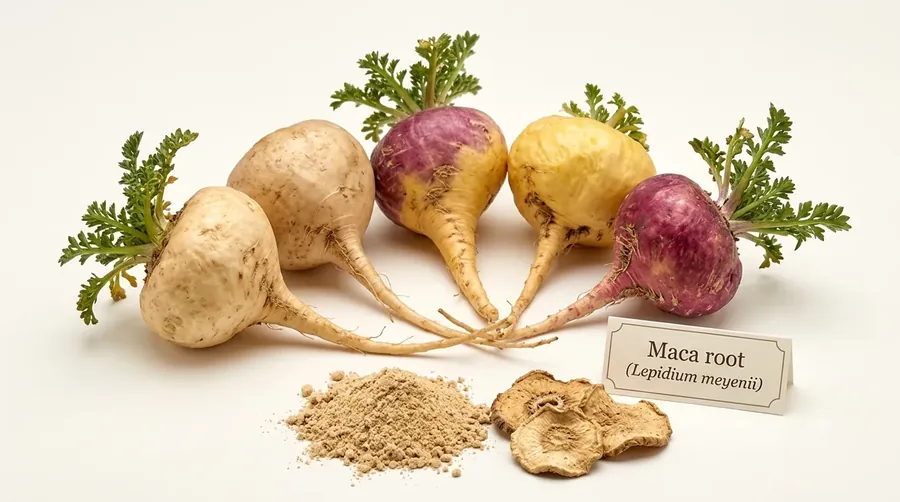
Maca is a turnip-like root grown high in the Andes of Peru, eaten there as food for centuries. Eleuthero, also sold as Siberian ginseng, is a shrub root from northeast Asia. Astragalus is a root used in traditional Chinese herbal practice.
All three carry a caret on the label, which points to a footnote about a concentrate with a 20:1 extract equivalent. The ratio describes how each extract was made. It does not add weight to the dropper.
Each line gets its own profile table below.
| Name on the label | Maca (Lepidium meyenii) Root Extract |
|---|---|
| What it is | Lepidium meyenii, Andean root |
| Place on the label | 1 of 21 in the 15.47 mg proprietary blend |
| Amount per mL (1 dropper) | Not listed; #1 of 21 in the 15.47 mg blend, so at most 15.47 mg per mL |
| Amount used in research | Studied for other uses, not blood sugar |
| Strength of evidence | No blood sugar trials |
| Marketed or traditional use | Traditional Andean food and tonic |
| Main caution | May not be safe in pregnancy or breastfeeding. |
| Name on the label | Eleuthero (Eleutherococcus senticosus) Root Extract |
|---|---|
| What it is | Siberian ginseng root |
| Place on the label | 5 of 21 in the 15.47 mg proprietary blend |
| Amount per mL (1 dropper) | Not listed; #5 of 21 in the 15.47 mg blend, so at most 3.1 mg per mL |
| Amount used in research | 800 mg a day in one trial |
| Strength of evidence | No effect in rigorous studies |
| Marketed or traditional use | Traditional tonic |
| Main caution | Can raise digoxin levels. |
| Name on the label | Astragalus Membranaceus Root Extract |
|---|---|
| What it is | Astragalus membranaceus root |
| Place on the label | 6 of 21 in the 15.47 mg proprietary blend |
| Amount per mL (1 dropper) | Not listed; #6 of 21 in the 15.47 mg blend, so at most 2.6 mg per mL |
| Amount used in research | No blood sugar dose established |
| Strength of evidence | Not established |
| Marketed or traditional use | Traditional Chinese herb |
| Main caution | Avoid with autoimmune disease or immune-suppressing drugs. |
Adaptogens02
What are adaptogens?
Adaptogens is a marketing and traditional term for herbs said to help the body cope with stress. It is not a medical category, and it has no agreed scientific test.
The word is popular on supplement labels and wellness sites. Eleuthero, astragalus, Panax ginseng and maca are often placed under it. Glyco Defender's label does not use the word at all; it simply lists the herbs.
Calling a plant an adaptogen tells you about tradition and marketing, not about proof. Each herb has to be judged on its own studies, and for blood sugar those studies are thin.
Panax ginseng, the best-studied of the group, has its own Panax ginseng page.
Dose math03
How much maca root, eleuthero and astragalus is in one dropper?
The label gives no single amounts, but the order sets limits. Maca can weigh at most 15.47 mg per mL, eleuthero at most about 3.1 mg and astragalus at most about 2.6 mg.
A blend must list its parts from most to least by weight (21 CFR 101.36 (eCFR)). So the line in place k weighs no more than 15.47 divided by k milligrams.
Maca gets a floor too. As the heaviest of 21 ingredients, it must weigh at least the average share, about 0.74 mg. Its true weight sits somewhere between 0.74 and 15.47 mg, and since 20 other lines need room, the top end is out of reach.
| Line | Place | Per dropper |
|---|---|---|
| Maca root extract | 1 of 21 | At least 0.74 mg, at most 15.47 mg |
| Eleuthero root extract | 5 of 21 | At most about 3.1 mg |
| Astragalus root extract | 6 of 21 | At most about 2.6 mg |
Maca04
What does maca root do?
Maca root has been studied in a few small trials, mostly for sexual function, fertility and menopause symptoms. Memorial Sloan Kettering does not describe any blood sugar benefit.
Systematic reviews rate the evidence for sexual function and menopause as limited (MSKCC, Maca). No maca trial in our sources looked at glucose or A1C.
That matters because maca holds the largest share of the blend. The heaviest line in a blood sugar formula is an ingredient with no blood sugar research behind it.
MSK says maca may not be safe in pregnancy or breastfeeding. People with hormone-sensitive cancers should talk to a provider first.
Eleuthero05
Is eleuthero safe to take?
Eleuthero appears safe for short-term use in most adults, but it can interfere with digoxin, a heart medicine. Its blood sugar findings come only from animal studies.
Memorial Sloan Kettering says human studies of eleuthero are limited. A case report found it raised blood digoxin levels, and it may cause falsely high digoxin test results (MSKCC, Siberian Ginseng (Eleuthero)).
NIH found little support for eleuthero as a performance aid and says short-term use appears safe (NIH ODS, Exercise & Athletic Performance).
Show the Glyco Defender label to your cardiologist or pharmacist before starting. A false lab reading could lead to a wrong dose change.
Glyco Defender: from $49 a bottle30 mL · 1, 3 or 6 bottles · free US shipping on 6 · 60-day money-back
See packsAstragalus06
Does astragalus help blood sugar?
There is not enough reliable evidence that astragalus helps blood sugar or any other condition, according to NCCIH.
NCCIH mentions a 2024 review, built mostly on low-quality studies, that suggested extra glucose lowering when astragalus was added to metformin (NCCIH, Astragalus). Low-quality studies are a reason for more research, not a reason to rely on the herb.
The bigger warning is about the immune system. NCCIH says people with autoimmune diseases should avoid astragalus, and it may interact with drugs that suppress the immune system.
Who should ask07
Who should skip maca, eleuthero and astragalus?
People who are pregnant or nursing, take digoxin, have an autoimmune disease or a hormone-sensitive cancer should not start these drops without a doctor's advice.
The label already rules out pregnant and nursing women and anyone under 18. The other groups come from the herb research.
- You take digoxin or another heart rhythm medicine.
- You have lupus, rheumatoid arthritis or another autoimmune disease.
- You take a drug that suppresses the immune system, such as after a transplant.
- You have had a hormone-sensitive cancer.
Herbs should never replace a prescription. Stay on your medicines as directed and share the label with your care team. More on side effects and interactions.
Other lines08
Is maca the most important ingredient in Glyco Defender?
Maca is the largest share by weight, but not the best supported. Chromium, the only line with a printed amount, has more blood sugar research.
Weight on the label and strength of evidence are different things. See how every line stacks up on the ingredients page.
FAQ09
Maca, eleuthero and astragalus questions
Does maca root raise energy?
Maca is often sold for energy, but the few small trials in our sources looked at sexual function, fertility and menopause, with limited results. No trial has tested the maca in Glyco Defender. Any energy you notice from the drops could just as well come from the caffeine in guarana and green tea.
Is eleuthero the same as Panax ginseng?
No. Eleuthero is sold as Siberian ginseng, but it is a different plant from the Panax species. It sits fifth in the Glyco Defender blend, while Panax ginseng sits 12th. Their research and cautions differ, and eleuthero has a known digoxin interaction.
Can I take astragalus with an autoimmune disease?
NCCIH says people with autoimmune diseases should avoid astragalus, and it may interact with immune-suppressing medicines. Glyco Defender lists astragalus sixth in its blend, so talk with your doctor before using the drops if you have lupus, rheumatoid arthritis or a similar condition.
Is maca safe for women?
Maca is eaten as a food in Peru, but MSK says maca supplements may not be safe in pregnancy or breastfeeding, and people with hormone-sensitive cancers should ask a provider. The Glyco Defender label rules out pregnant and nursing women regardless.
Do adaptogens help with blood sugar?
Not in a proven way. The herbs called adaptogens are grouped by tradition, not by shared results. Maca has no blood sugar trials, eleuthero's findings are from animals, and astragalus evidence is mostly low quality. Panax ginseng shows only a modest fasting effect.
Which maca color is in Glyco Defender?
The label does not say. It lists Maca (Lepidium meyenii) Root Extract without naming yellow, red or black maca. The brand photo shows several colors of root, but the photo is not a guide to the extract used in the drops.
Who wrote this10
Written and reviewed by
Pages built from the label, the sales page and linked NIH, FDA, CDC, FTC and peer-reviewed sources.
Last updated . Learn about our editorial standards and how we check reviews. This website is run by a U.S. stocking partner for Glyco Defender, not by the manufacturer or the distributor. We are paid when you buy through our order links.
Keep reading
More about Glyco Defender
U.S. stocking partner for Glyco Defender
Ready to try Glyco Defender?
Check your medicines first, then pick a pack. Six bottles give the lowest price per bottle and ship free in the US; every pack comes with the 60-day money-back guarantee.
- Order on the sales page
- 60-day money-back
- Free US shipping on 6