Ingredient profile
Grape Seed Extract in Glyco Defender: What One Dropper Holds and What the Research Shows
Grape seed extract is the third ingredient in the Glyco Defender proprietary blend. The label lists it after maca and African mango, so one 1 mL dropper holds at most about 5.2 mg, and probably less. Reviews of grape seed extract point to small, uncertain effects on cholesterol and blood pressure. No study ties it to blood sugar, and nobody has tested the drops.
Written by the Glyco Defender facts deskUpdated
On the label01
What is grape seed extract in Glyco Defender?
Grape seed extract is a concentrate made from the seeds of wine grapes (Vitis vinifera). In Glyco Defender it is the third line of a 21-ingredient proprietary blend.
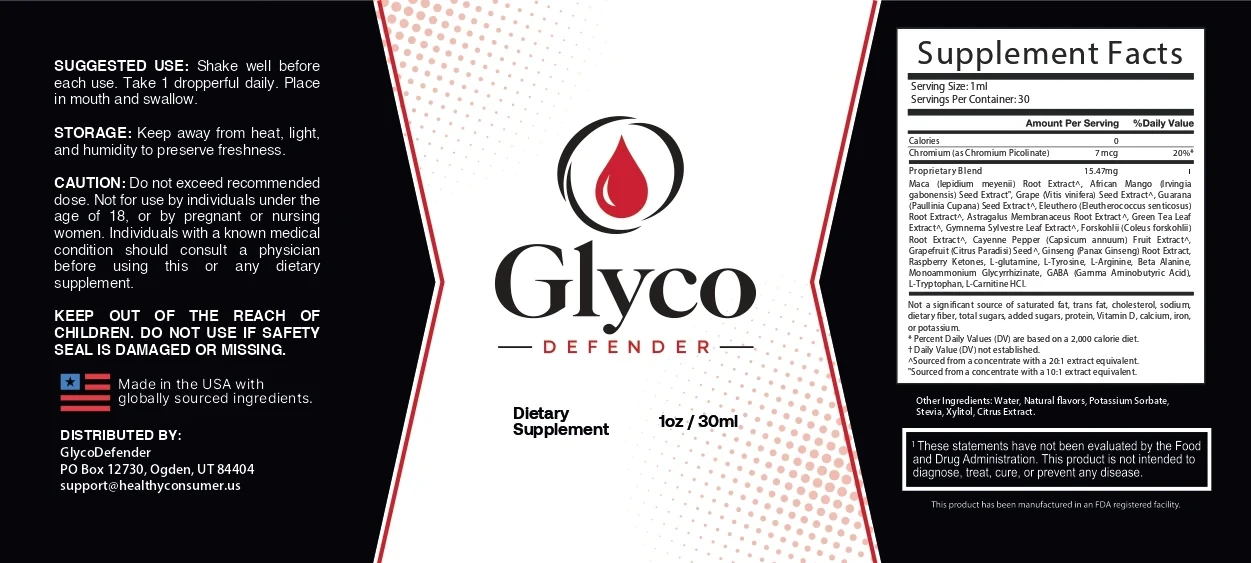
The label spells it "Grape (Vitis vinifera) Seed Extract" and marks it with a caret. That caret points to a footnote: the extract comes from a concentrate with a 20:1 extract equivalent.
Grape seeds are rich in plant compounds called polyphenols, mainly proanthocyanidins. Makers grind and extract the seeds to concentrate them. The profile below sets what the bottle prints beside what researchers have studied.
| Name on the label | Grape (Vitis vinifera) Seed Extract |
|---|---|
| What it is | Vitis vinifera seed |
| Place on the label | 3 of 21 in the 15.47 mg proprietary blend |
| Amount per mL (1 dropper) | Not listed; #3 of 21 in the 15.47 mg blend, so at most 5.2 mg per mL |
| Amount used in research | Studied for other uses |
| Strength of evidence | Not established for blood sugar |
| Marketed or traditional use | Plant polyphenols |
| Main caution | Generally well tolerated; may interact with blood thinners. |
Dose math02
How much grape seed extract is in one dropper?
One dropper of Glyco Defender holds at most about 5.2 mg of grape seed extract. The label hides the exact figure, so that number is a ceiling, not a measurement.
A proprietary blend only has to show its total weight and list its parts from most to least by weight (21 CFR 101.36 (eCFR)). Glyco Defender's blend totals 15.47 mg per mL, with grape seed in third place.
That order sets a hard limit. If grape seed weighed more than 15.47 divided by 3, then maca and African mango, which must weigh at least as much, would push the total past 15.47 mg. So 5.2 mg is the most it can be.
The floor is close to zero. An even split gives each ingredient about 0.74 mg, and grape seed could sit near or below that.
| Measure | Per dropper (1 mL) | Per bottle (30 mL) |
|---|---|---|
| Even split of the blend | About 0.74 mg | About 22 mg |
| Ceiling from third place | At most 5.2 mg | At most about 155 mg |
| Amount printed on the label | Not published | Not published |
Blood sugar03
Does grape seed extract help blood sugar?
No reliable research shows that grape seed extract helps blood sugar. The sources we checked study it for cholesterol and blood pressure instead, and even there the results are not settled.
The NCCIH summary of grape seed extract covers two reviews of small studies. Neither one is about glucose or A1C (NCCIH, Grape Seed Extract). So a search for grape seed extract blood sugar evidence comes up short in the sources this site uses.
The sales page still names grape seed among its featured ingredients (Glyco Defender sales page). Being named is not the same as being tested. No trial has measured what Glyco Defender, or the grape seed inside it, does to a person's blood sugar.
NCCIH also gives a wider rule: for most supplements, there is no evidence of benefit in diabetes, and an unproven product should never take the place of medical care (NCCIH, Diabetes and Dietary Supplements).
Grape seed is a supporting plant line, not a blood sugar workhorse. The levers with proof are weight, activity and your doctor's plan. See blood sugar numbers.
Research04
What does research say about grape seed extract?
Research on grape seed extract hints at small effects on cholesterol and on one blood pressure number, but the findings are not definitive.
NCCIH points to a 2020 review that suggested possible effects on LDL cholesterol and triglycerides. A 2022 review suggested a drop in diastolic blood pressure, the bottom number, but not in systolic pressure, the top one (NCCIH, Grape Seed Extract).
Both reviews pooled small studies, and neither reached a firm answer. Our source does not print the doses used, so a fair comparison with the drops is not possible.
Cholesterol
A 2020 review saw hints of lower LDL and triglycerides. Not definitive.
Blood pressure
A 2022 review saw a small change in the bottom number only. Not definitive.
Blood sugar
No review in our sources covers glucose or A1C for grape seed extract.
The footnote05
Does the 20:1 extract note make the grape seed dose bigger?
No. The 20:1 note describes how the extract was made, not how much of it sits in your dropper.
A 20:1 extract means about 20 parts of raw seed went into 1 part of finished extract. The weight in the blend is still the weight of the extract. If grape seed holds 3 mg, that is 3 mg of extract, not 60 mg of seed.
You can read the footnotes word for word on the supplement facts page, next to the full label image.
Glyco Defender: from $49 a bottle30 mL · 1, 3 or 6 bottles · free US shipping on 6 · 60-day money-back
See packsSafety06
Is grape seed extract safe to take with other medicines?
Grape seed extract is generally well tolerated, according to NCCIH. The bigger questions sit with the other lines in the same dropper and with your own medicines.
NCCIH notes that little is known about grape seed extract in pregnancy or breastfeeding (NCCIH, Grape Seed Extract). The Glyco Defender label already rules out pregnant and nursing women and anyone under 18.
Grape seed does not come alone. The same dropper carries chromium, gymnema and ginseng, which may add to diabetes medicines (NIH ODS, Chromium), plus guarana and green tea, which bring caffeine (MSKCC, Guarana).
- Bring the full label to your pharmacist if you take a blood thinner or several daily medicines.
- On insulin or a sulfonylurea, talk with your doctor before you start any supplement.
No supplement should replace or trim a drug your doctor prescribed. Change a dose only with your care team. More detail sits on side effects and interactions.
Verdict07
Is grape seed a reason to choose Glyco Defender?
Grape seed is not a strong reason on its own. It is a well tolerated plant extract, present at a few milligrams at most, with no blood sugar research behind it.
The photo at the top of the profile is a brand photo of grapes, seeds and a spoon of powder. The small amber bottle in it is a prop, not Glyco Defender, and the drops hold only a small slice of extract.
In its favor
- Named plainly on the label, with its Latin name
- Generally well tolerated in research
- Third place means it is one of the larger blend shares
Against it
- Exact amount hidden; at most 5.2 mg per mL
- No blood sugar evidence in our sources
- Cholesterol and blood pressure findings are not definitive
Other lines08
Where does grape seed fit among the 22 label lines?
Grape seed is line four of 22 when you count chromium first, and third inside the blend. The pages below cover every other line.
Only chromium carries a printed amount. The 21 blend ingredients share 15.47 mg, and each profile uses the same ceiling math you saw above. The full ingredient list puts all of them side by side.
FAQ09
Grape seed extract questions
How many milligrams of grape seed extract are in Glyco Defender?
The label does not say. Grape seed is third in a 15.47 mg blend, so one 1 mL dropper holds at most about 5.2 mg. An even split of the blend would be about 0.74 mg, and the real figure could sit anywhere at or below the ceiling.
Does grape seed extract lower A1C?
No source we checked shows that. The NCCIH summary covers reviews on cholesterol and blood pressure, not A1C or fasting glucose. Any A1C change should be judged by your doctor with a lab test, and grape seed in Glyco Defender has never been tested for it.
Is grape seed extract the same as grapeseed oil?
No. Grapeseed oil is a cooking fat pressed from the seeds. Grape seed extract is a concentrate of the seeds' polyphenols, sold as a supplement ingredient. Glyco Defender lists the extract, made from a concentrate with a 20:1 extract equivalent, not the oil.
Can grape seed extract raise blood pressure?
Research does not suggest that. A 2022 review summarized by NCCIH saw a possible small drop in diastolic pressure, though the finding is not definitive. If you take blood pressure medicine, show the full Glyco Defender label to your pharmacist anyway, since the blend holds 21 ingredients.
Is the bottle in the grape seed photo Glyco Defender?
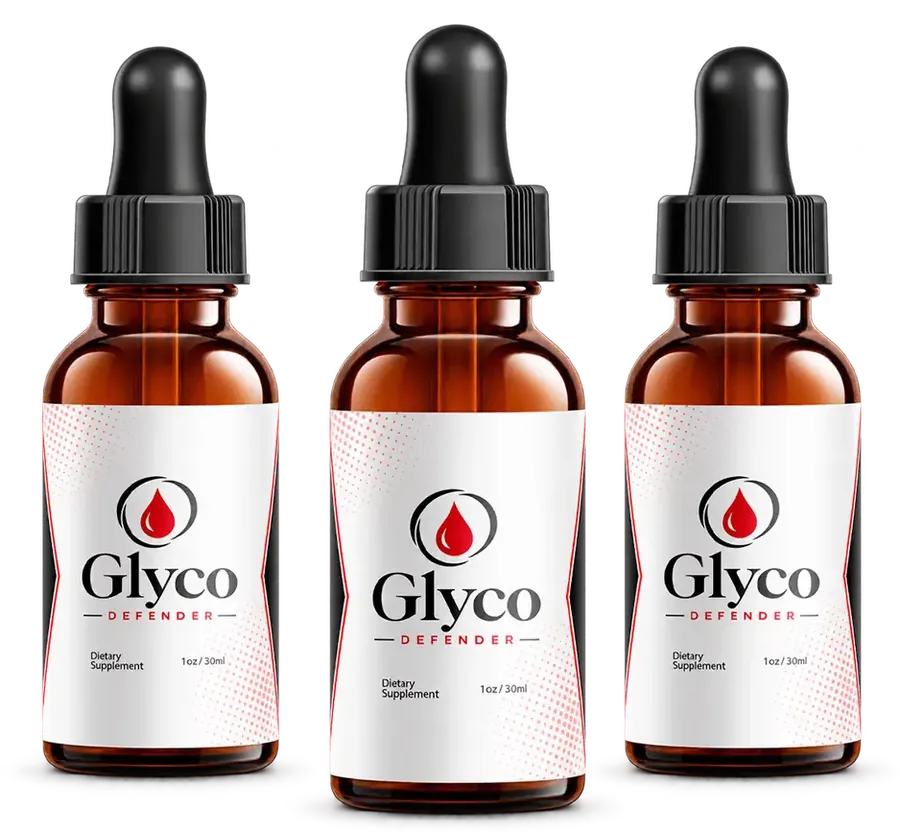
No. The small amber bottle in the grape seed photo is a prop that came with the brand image. Glyco Defender is a 30 mL amber dropper bottle with a black bulb and a white label showing a red drop inside a dark ring.
Can I take grape seed extract and Glyco Defender together?
Ask your doctor or pharmacist first. Glyco Defender already holds some grape seed extract, and a separate product would add a much larger amount. Stacking supplements makes it harder to tell what causes a side effect, so keep a written list of everything you take.
Who wrote this10
Written and reviewed by
Pages built from the label, the sales page and linked NIH, FDA, CDC, FTC and peer-reviewed sources.
Last updated . Learn about our editorial standards and how we check reviews. This website is run by a U.S. stocking partner for Glyco Defender, not by the manufacturer or the distributor. We are paid when you buy through our order links.
Keep reading
More about Glyco Defender
U.S. stocking partner for Glyco Defender
Ready to try Glyco Defender?
Check your medicines first, then pick a pack. Six bottles give the lowest price per bottle and ship free in the US; every pack comes with the 60-day money-back guarantee.
- Order on the sales page
- 60-day money-back
- Free US shipping on 6