Sweeteners
Is Stevia Safe? What the FDA Actually Says
Is stevia safe? For highly purified stevia sweeteners, the FDA has not questioned the safety notices filed by makers, which are called GRAS notices. Whole-leaf and crude stevia extracts are not permitted as sweeteners. So the form on the label matters more than the word stevia on the front.
Written by the Glyco Defender facts deskUpdated · 4 min read
The FDA view01
Is stevia safe according to the FDA?
Stevia is safe in its purified form according to the FDA's review of maker notices: the agency has not questioned GRAS notices for high-purity steviol glycosides (FDA, Aspartame and Other Sweeteners).
GRAS means "generally recognized as safe." It is not the same as approval. The FDA read the notices and had no objection under the stated conditions (FDA, High-Intensity Sweeteners).
The high-purity standard is 95% or more steviol glycosides, including Rebaudioside A (FDA, Aspartame and Other Sweeteners).
Stevia is not on the FDA's short list of approved food additive sweeteners, so the GRAS route is how it reaches shelves (FDA, High-Intensity Sweeteners).
Forms02
What is the difference between stevia leaf and stevia extract?
Stevia leaf is the plant, while stevia extract is the sweet compound pulled from it. Whole-leaf and crude extracts are not allowed as sweeteners, and purified steviol glycosides are (FDA, Aspartame and Other Sweeteners).
This difference matters when you shop. A "green stevia" product from a market stall and a diet soda are treated differently. One is the crude plant. The other is a purified compound.
| Form | FDA position |
|---|---|
| High-purity steviol glycosides (95% or more) | GRAS notices not questioned |
| Whole-leaf stevia | Not permitted as a sweetener |
| Crude stevia extracts | Not permitted as a sweetener; import alert |
Statuses from FDA pages (FDA, Aspartame and Other Sweeteners) (FDA, High-Intensity Sweeteners). Labels rarely say which form a product uses.
Blood sugar03
Does stevia affect blood sugar readings?
Stevia is a sweetener that adds no sugar, but the foods that contain it can still hold carbohydrate, so your meter or A1C is the real test.
No source we cite says how stevia moves blood sugar, so we will not promise an effect either way. The best check is the one you do yourself, with your doctor, using the same meter at the same time of day.
The chart shows the NIDDK ranges, so you can place a morning reading next to them (NIDDK, Diabetes & Prediabetes Tests). A walk after meals, covered in walk after meals, is a separate habit worth testing the same way.
- NormalA1C below 5.7%Fasting below 100 mg/dL
- PrediabetesA1C 5.7-6.4%Fasting 100-125 mg/dL
- Diabetes rangeA1C 6.5% or higherFasting 126 mg/dL or higher
Type an A1C or a fasting number to see its range. One test is not a diagnosis; a doctor confirms with a repeat test.
Ranges from NIDDK (NIDDK, Diabetes & Prediabetes Tests). About 115.2 million U.S. adults have prediabetes, and many do not know it (CDC, National Diabetes Statistics Report). A home meter is not a diagnostic test.
Look at the whole label, not only the front. A "stevia-sweetened" drink may still carry added juice, starch or other sugars.
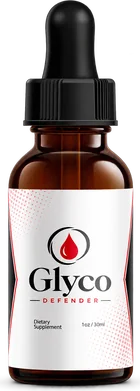
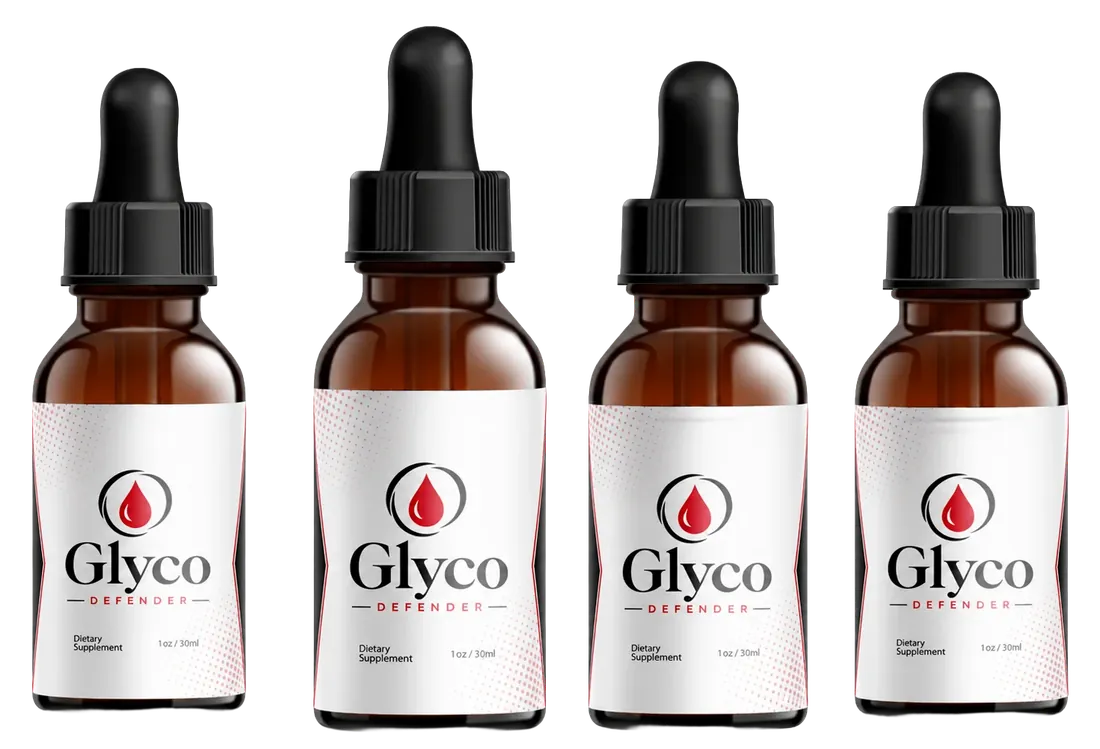
Glyco Defender: from $49 a bottle30 mL · 1, 3 or 6 bottles · free US shipping on 6 · 60-day money-back
See packsLabel check04
How do you check a label for stevia safely?
Check a label for stevia by finding the word steviol glycosides or Reb A, then reading the sugar and carbohydrate lines.
- Look for steviol glycosides, rebaudioside or Reb A in the ingredients.
- Be careful with products that say whole leaf or crude extract as a sweetener.
- Compare grams of carbohydrate with the plain version of the food.
- Ask your doctor first if you are pregnant, take medicine or have a long-term condition.
- Note how you feel for a day or two after trying a new sweetened product.
The same habit helps when you read a supplement. A sweetener can sit in the other ingredients list with its amount unprinted, and the post on the afternoon energy crash shows why timing and portions matter as much as sweeteners.
On the label05
Is there stevia in Glyco Defender?
Yes, stevia is listed in the other ingredients of Glyco Defender, next to xylitol, water, natural flavors, potassium sorbate and citrus extract.
The label does not print the stevia amount or its form, so the FDA status above cannot be matched to this bottle. That is a limit of the label, not a fault we can prove. Keep taking prescribed medicine and tell your doctor before adding any supplement.
See the supplement facts page for the full line-by-line reading and the testing and quality page for what is and is not confirmed.
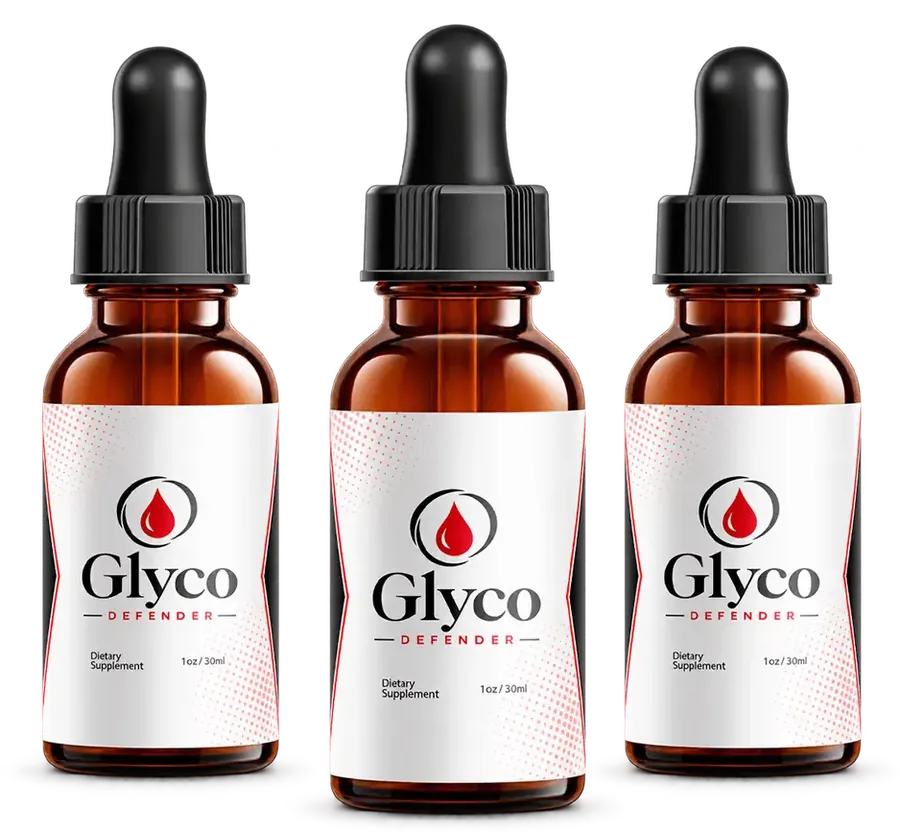
90-day supply
3 bottles · 90 days
$177$59 a bottle · about $1.97 a day
Price shows “+ Shipping”
Get 3 bottles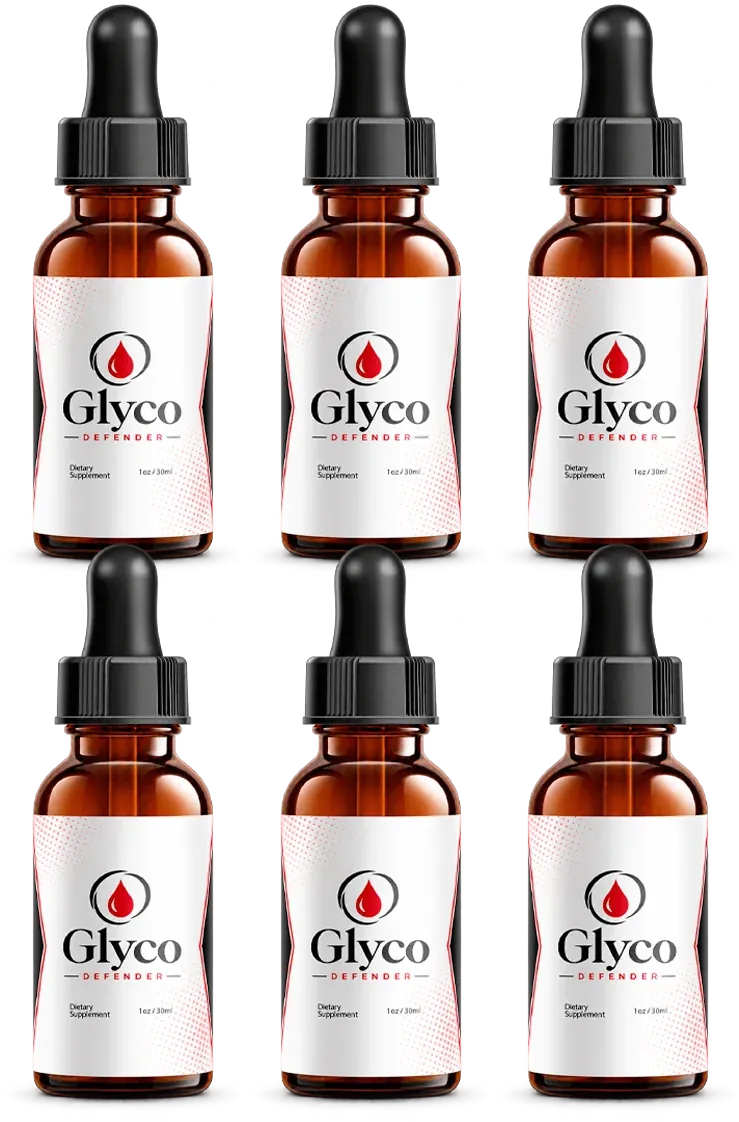
Lowest per bottle
6 bottles · 180 days
$294$49 a bottle · about $1.63 a day
Free US shipping
Get 6 bottlesSales-page prices, October 18, 2026 (Glyco Defender sales page). One bottle is $89. Check your medicines with your doctor first. 60-day money-back guarantee.
Glyco Defender is a dietary supplement, not a treatment. Ask your doctor or pharmacist first if you use insulin, a sulfonylurea or another glucose-lowering drug, a blood thinner, blood pressure or heart-rhythm medicine, an antidepressant or thyroid medicine. Chromium, gymnema and ginseng may add to diabetes medicines and cause lows; guarana and green tea add caffeine. Keep taking prescribed medicine. See side effects and interactions.
FAQ06
Glyco Defender questions people ask
Can stevia cause side effects?
Some people notice bloating or an aftertaste, but the sources we cite do not list side effects, so we will not guess. The FDA question is about form and purity (FDA, Aspartame and Other Sweeteners). Tell your doctor if you feel unwell after a stevia product.
Is stevia a natural sweetener or an artificial one?
Stevia starts as a plant, but the sweetener in food is a purified extract of it (FDA, High-Intensity Sweeteners). Whether that counts as natural is a label debate, not a safety verdict. Judge it by the FDA status and by what the product contains.
Is stevia safe in pregnancy?
The FDA pages we cite do not address pregnancy, so we cannot say. Ask your doctor. Glyco Defender itself is labelled not for pregnant or nursing women, whatever its sweeteners.
Who wrote this07
Written and reviewed by
Pages built from the label, the sales page and linked NIH, FDA, CDC, FTC and peer-reviewed sources.
Last updated . Learn about our editorial standards and how we check reviews. This website is run by a U.S. stocking partner for Glyco Defender, not by the manufacturer or the distributor. We are paid when you buy through our order links.
Related
More from the Glyco Defender blog
Keep reading
More about Glyco Defender
U.S. stocking partner for Glyco Defender
Ready to try Glyco Defender?
Check your medicines first, then pick a pack. Six bottles give the lowest price per bottle and ship free in the US; every pack comes with the 60-day money-back guarantee.
- Order on the sales page
- 60-day money-back
- Free US shipping on 6