Blog
Glycyrrhizin Blood Pressure Risks: What Licorice Compounds Do
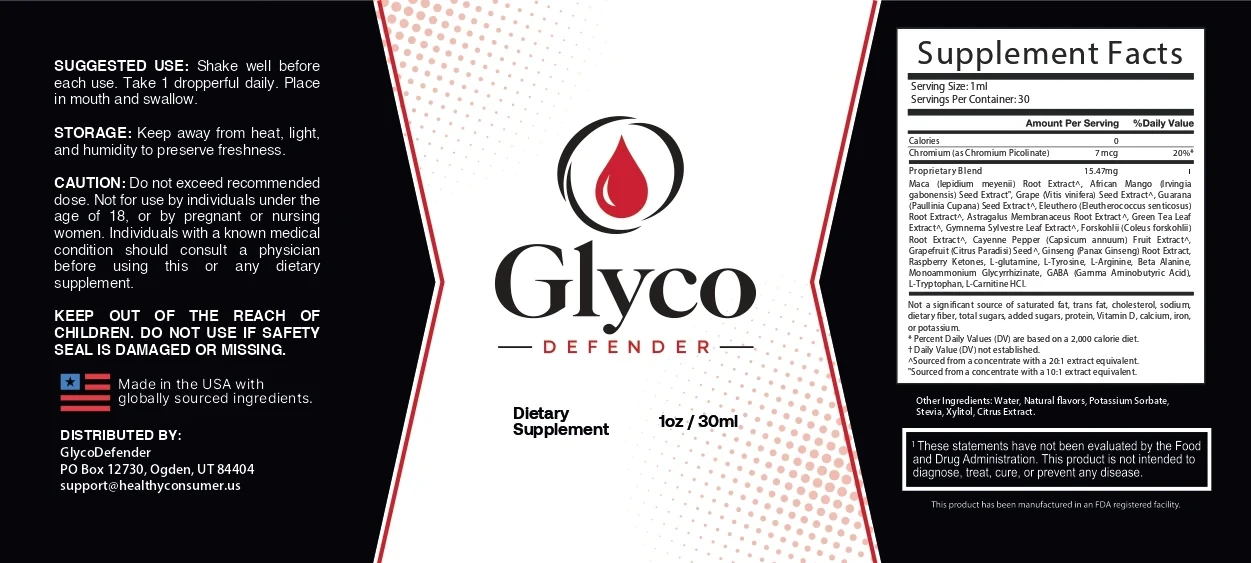
Glycyrrhizin blood pressure concerns are well documented. Glycyrrhizin is the compound in licorice, and the NIH says it can cause irregular heartbeat with large or long-term use. Small amounts have been linked to severe effects in people with high blood pressure (NCCIH, Licorice Root). It is eighteenth on the Glyco Defender label, so one dropper holds at most 0.86 mg.
Written by the Glyco Defender facts deskUpdated · 4 min read
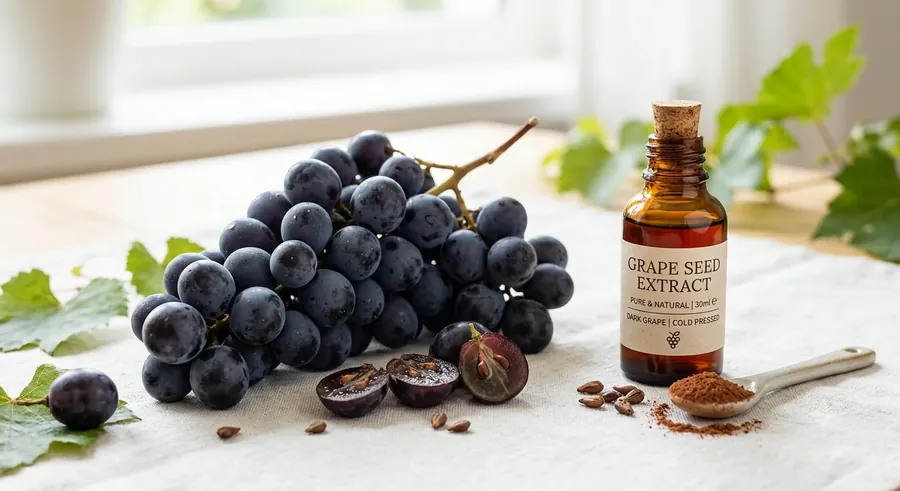
The compound01
What is glycyrrhizin and why does it affect blood pressure?
Glycyrrhizin is the sweet-tasting compound in licorice root. Glycyrrhizin blood pressure effects are the main safety issue the NIH raises (NCCIH, Licorice Root).
The NIH says glycyrrhizin can cause serious effects, such as an irregular heartbeat, especially with large or long-term use (NCCIH, Licorice Root).
The same page says even small amounts have been linked to severe effects in people with high blood pressure, high salt intake, or heart or kidney conditions.
The NIH names high salt intake as a risk factor, so what you eat across the day matters as well as the supplement. A person with several of these risks at once has the most reason to ask first.
That list is why the compound gets a caution of its own, apart from the plant's long use as a flavor.
Who is at risk02
Who should avoid licorice compounds?
People with high blood pressure, heart or kidney conditions, and anyone who is pregnant should avoid licorice compounds unless a doctor agrees (NCCIH, Licorice Root).
Large amounts in pregnancy are unsafe, and interactions with corticosteroid medicines have been reported (NCCIH, Licorice Root).
The risk grows with the amount and the length of use, so a licorice tea now and then is different from a daily high dose for months. Candy, teas and some chewing products may all carry the compound.
Glyco Defender is not for pregnant or nursing women or anyone under 18, so the bottle already steers some groups away.
| Group or situation | Caution |
|---|---|
| High blood pressure | Severe effects reported even with small amounts |
| Heart or kidney conditions | Same caution |
| High salt intake | Same caution |
| Pregnancy | Large amounts unsafe |
| Corticosteroid medicines | Interactions reported |
Dose math03
How much glycyrrhizin is in one dropper of Glyco Defender?
One dropperful of Glyco Defender holds at most 0.86 mg of monoammonium glycyrrhizinate, because it sits eighteenth in a 15.47 mg blend.
The label names a licorice-derived compound rather than the whole root. An even split would be about 0.74 mg, so the ceiling and the even split sit close together.
Single amounts are hidden, which the blend rule allows (21 CFR 101.36 (eCFR)).
Worked example: thirty days at one dropperful a day would add up to no more than about 26 mg in total, and likely less. That is a very small exposure, and still a number worth sharing with a doctor if you have a heart, kidney or pressure problem.
Why the ceiling is low
Seventeen ingredients rank ahead of it, and each holds at least as much.
Why caution stays
The NIH cites small amounts as a problem for some people, so low is not zero risk.
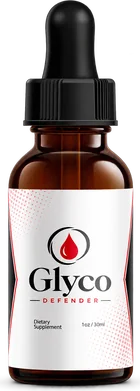
Glyco Defender: from $49 a bottle30 mL · 1, 3 or 6 bottles · free US shipping on 6 · 60-day money-back
See packsNext steps04
What should you do if you have high blood pressure?
If you have high blood pressure, ask your doctor before taking any supplement that lists a licorice compound.
A short plan beats guessing. Three quick steps cover most people, and each one takes only a few minutes of your time.
Read the label
Find monoammonium glycyrrhizinate near the end of the blend.
Call your care team
Bring the bottle or a photo of the Supplement Facts.
Do not change your treatment
Keep taking prescribed medicine, and never stop it because of a supplement.
Order05
Is Glyco Defender a fit with blood pressure concerns?
It may not be. Read the side effects and who the drops are for first, then talk to your doctor.
Packs cost $89, $59 and $49 a bottle with a 60-day guarantee (Glyco Defender sales page).
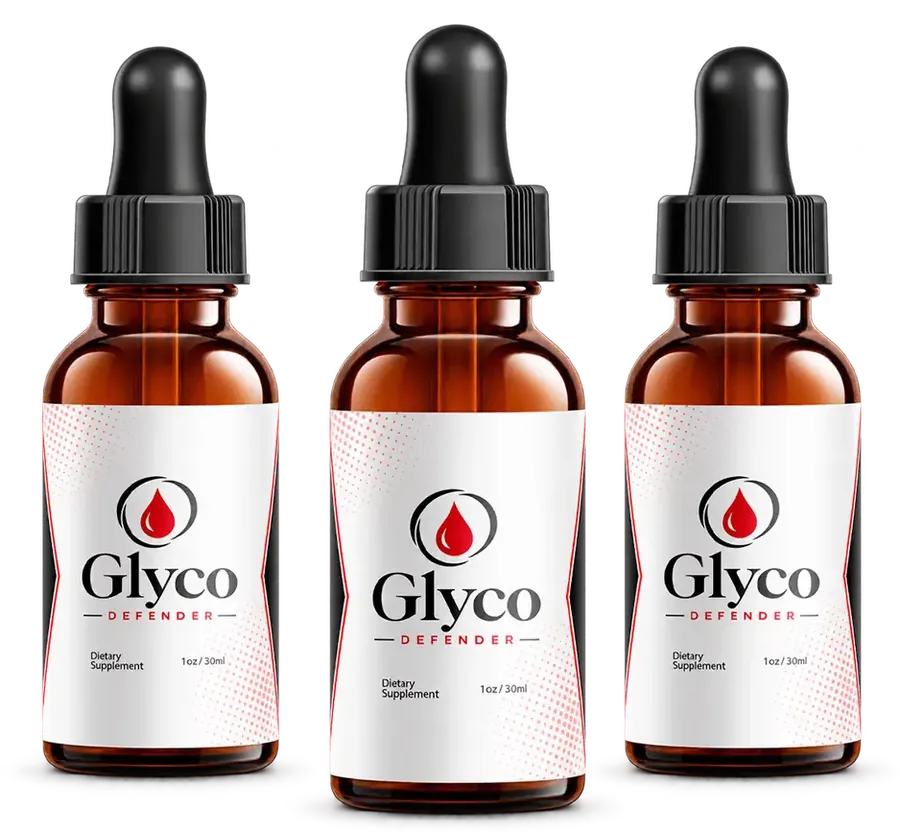
90-day supply
3 bottles · 90 days
$177$59 a bottle · about $1.97 a day
Price shows “+ Shipping”
Get 3 bottles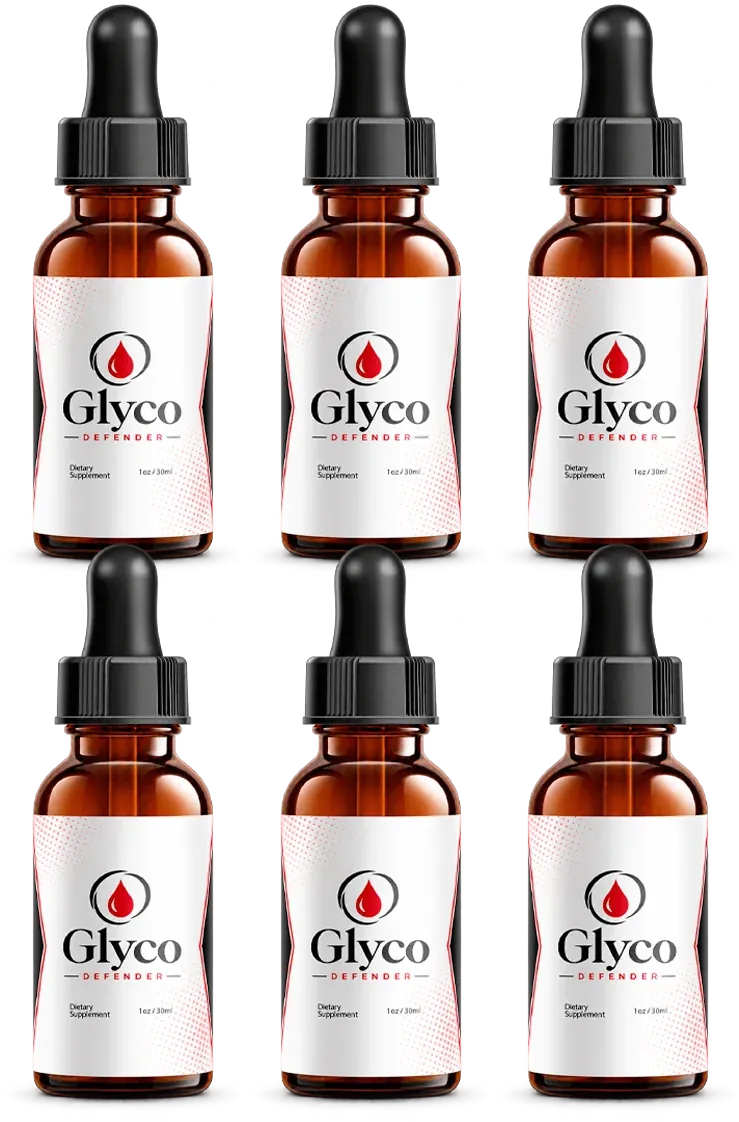
Lowest per bottle
6 bottles · 180 days
$294$49 a bottle · about $1.63 a day
Free US shipping
Get 6 bottlesSales-page prices, October 18, 2026 (Glyco Defender sales page). One bottle is $89. Check your medicines with your doctor first. 60-day money-back guarantee.
Glyco Defender is a dietary supplement, not a treatment. Ask your doctor or pharmacist first if you use insulin, a sulfonylurea or another glucose-lowering drug, a blood thinner, blood pressure or heart-rhythm medicine, an antidepressant or thyroid medicine. Chromium, gymnema and ginseng may add to diabetes medicines and cause lows; guarana and green tea add caffeine. Keep taking prescribed medicine. See side effects and interactions.
FAQ06
Glyco Defender questions people ask
Is licorice candy a problem for blood pressure?
It can be for some people. The NIH links glycyrrhizin to irregular heartbeat with large or long-term use, and to severe effects in people with high blood pressure (NCCIH, Licorice Root). Check with a doctor about regular licorice.
Is glycyrrhizin the same as deglycyrrhizinated licorice?
No. Deglycyrrhizinated licorice has the glycyrrhizin removed, which makes it a different product. Glyco Defender lists a glycyrrhizin compound, so that point does not apply.
Does licorice tea count as a licorice compound?
Yes, tea made from licorice root can carry glycyrrhizin, and the NIH warns about large or long-term use (NCCIH, Licorice Root). If you drink it daily and have heart or pressure concerns, mention it to your doctor.
Can licorice interact with steroid medicines?
Yes. The NIH says interactions with corticosteroids have been reported (NCCIH, Licorice Root). If you take a steroid, ask your pharmacist about every licorice product, including supplements.
Who wrote this07
Written and reviewed by
Pages built from the label, the sales page and linked NIH, FDA, CDC, FTC and peer-reviewed sources.
Last updated . Learn about our editorial standards and how we check reviews. This website is run by a U.S. stocking partner for Glyco Defender, not by the manufacturer or the distributor. We are paid when you buy through our order links.
Related
More from the Glyco Defender blog
Keep reading
More about Glyco Defender
U.S. stocking partner for Glyco Defender
Ready to try Glyco Defender?
Check your medicines first, then pick a pack. Six bottles give the lowest price per bottle and ship free in the US; every pack comes with the 60-day money-back guarantee.
- Order on the sales page
- 60-day money-back
- Free US shipping on 6