Nutrient guide
Blood Sugar Support Vitamins: What Chromium and Magnesium Research Shows
Blood sugar support vitamins is a loose label for nutrients such as chromium and magnesium. The research is mixed. Chromium trials show slight drops of unclear meaning, and the ADA finds insufficient evidence for routine magnesium use. Without a deficiency, extra vitamins and minerals are unlikely to move your numbers.
Written by the Glyco Defender facts deskUpdated · 4 min read
The short list01
Which vitamins and minerals are linked to blood sugar?
Chromium and magnesium are the two minerals most often linked to blood sugar. Both are needed in small amounts, and extra helps mainly when you are short.
The ADA says that without an underlying deficiency, there is no benefit from supplements for diabetes support (ADA, Vitamins & Supplements). That one line frames the rest.
A diet with nuts, whole grains and leafy greens covers magnesium for many people. A lab test, ordered by your doctor, is the way to find a true gap.
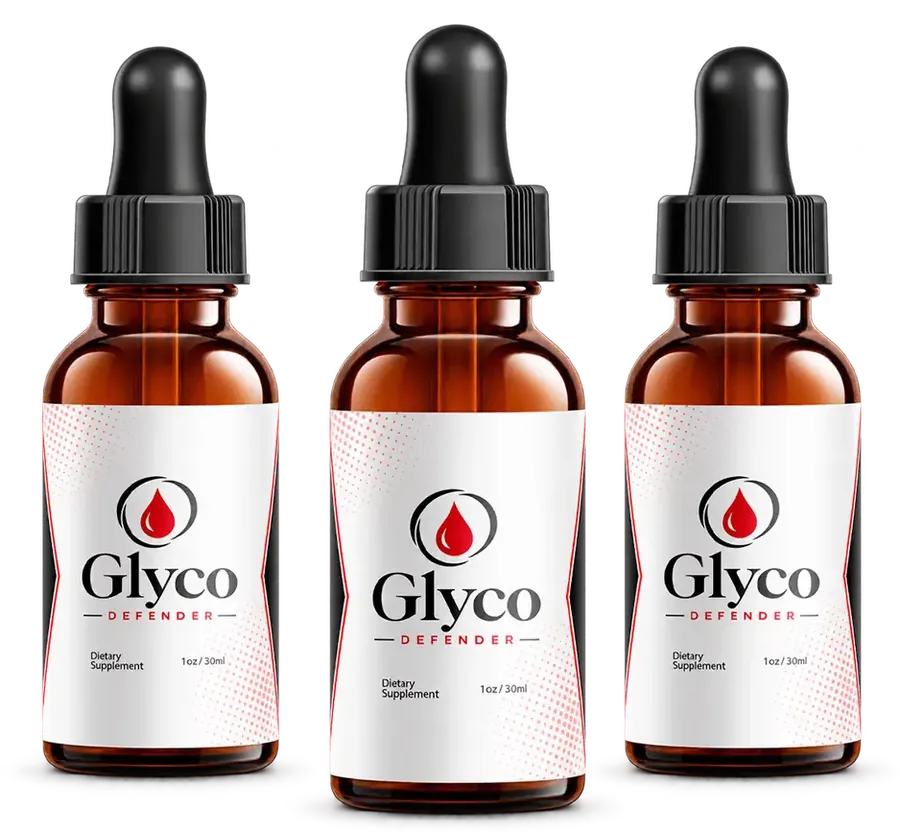
Glyco Defender lists chromium, not magnesium. The drops are not a vitamin product, and no mineral can stand in for medicine. Their value is small and personal, so weigh cost and comfort too.
Chromium02
What does the research say about chromium?
Chromium research is mixed and small. A 2019 review of diabetes trials found slight drops in fasting glucose and A1C of unclear clinical significance (NIH ODS, Chromium).
The same source says a 2016 review found chromium does not help blood sugar in healthy people. Adults have an Adequate Intake of 20 to 35 mcg a day, and the Daily Value is 35 mcg (NIH ODS, Chromium).
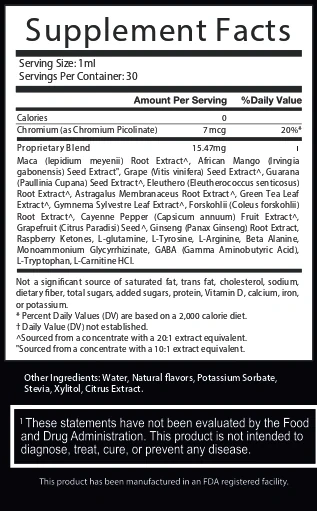
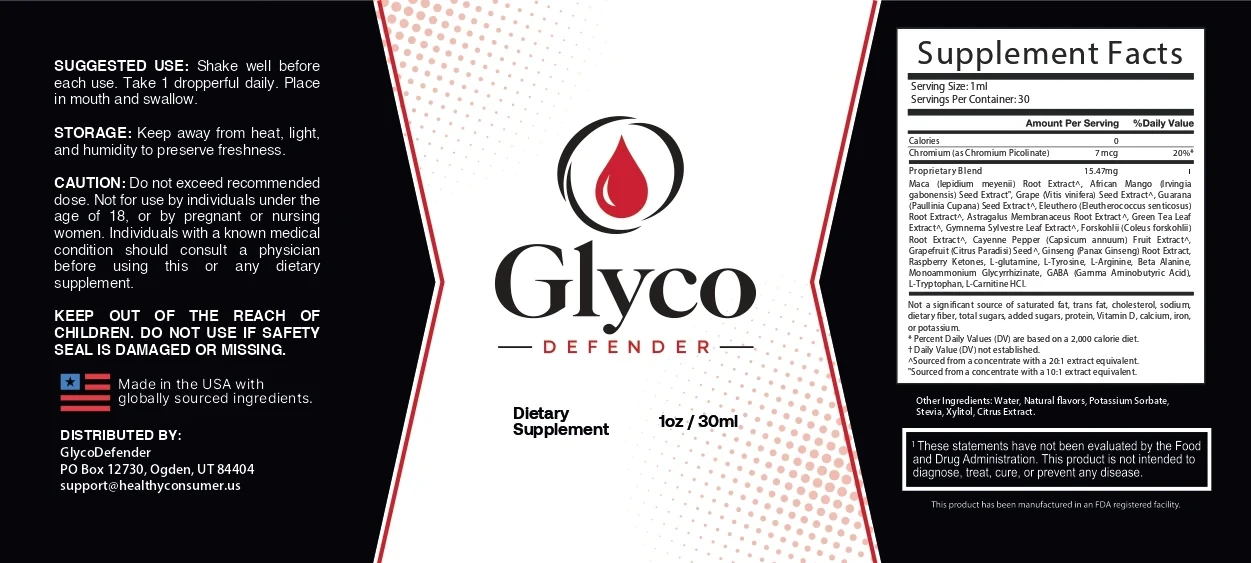
Glyco Defender holds 7 mcg per dropperful, as chromium picolinate. That is 20% of the Daily Value. Trial doses ranged from 1.28 to 1,000 mcg a day.
Chromium may add to insulin and other diabetes drugs, which raises the risk of lows, and it may reduce levothyroxine absorption (NIH ODS, Chromium). Ask your pharmacist if you use either.
Magnesium03
Does magnesium help blood sugar?
Magnesium links to lower diabetes risk in observational studies, but trials are few and conflict. The ADA finds insufficient evidence for routine magnesium use (NIH ODS, Magnesium).
One meta-analysis tied each extra 100 mg a day of magnesium intake to a 15% lower risk of diabetes. Observational findings like this can be confounded, because people who eat more magnesium often eat better overall (NIH ODS, Magnesium).
The safe ceiling matters. The upper limit for supplemental magnesium is 350 mg a day for adults, and higher supplement doses can cause diarrhea, nausea and cramps (NIH ODS, Magnesium).
| Question | Chromium | Magnesium |
|---|---|---|
| Research summary | Slight drops, unclear meaning | Mixed trials, observational link |
| Daily Value or limit | 35 mcg Daily Value | 350 mg supplement limit |
| In Glyco Defender | 7 mcg per mL | Not listed |
| Main caution | Lows with diabetes drugs | Stomach upset at high doses |
Glyco Defender: from $49 a bottle30 mL · 1, 3 or 6 bottles · free US shipping on 6 · 60-day money-back
See packsYour numbers04
How do you check whether vitamins are changing your blood sugar?
You check by testing before and after with your doctor, holding other habits steady. Two weeks of guessing tells you nothing.
Fasting glucose below 100 mg/dL and an A1C below 5.7% are normal. Prediabetes starts at 100 and 5.7%, and diabetes at 126 and 6.5% on a confirmed test (NIDDK, Diabetes & Prediabetes Tests).
Write down your last lab values and the date. Use the reading finder below with a recent lab report. Then ask your doctor what to retest, and when.
- NormalA1C below 5.7%Fasting below 100 mg/dL
- PrediabetesA1C 5.7-6.4%Fasting 100-125 mg/dL
- Diabetes rangeA1C 6.5% or higherFasting 126 mg/dL or higher
Type an A1C or a fasting number to see its range. One test is not a diagnosis; a doctor confirms with a repeat test.
Ranges from NIDDK (NIDDK, Diabetes & Prediabetes Tests). About 115.2 million U.S. adults have prediabetes, and many do not know it (CDC, National Diabetes Statistics Report). A home meter is not a diagnostic test.
Keep taking prescribed medicine while you track. Vitamins are not a reason to drop a drug.
Order05
Is Glyco Defender a vitamin for blood sugar?
No, Glyco Defender is a liquid dietary supplement with chromium and a 21-ingredient botanical and amino acid blend. It is not a vitamin product and has no trial of its own.
The blend totals 15.47 mg, about 0.74 mg per ingredient if split evenly. Read the supplement facts and the chromium page before you buy. The price-per-day math shows what a bottle costs.
90-day supply
3 bottles · 90 days
$177$59 a bottle · about $1.97 a day
Price shows “+ Shipping”
Get 3 bottles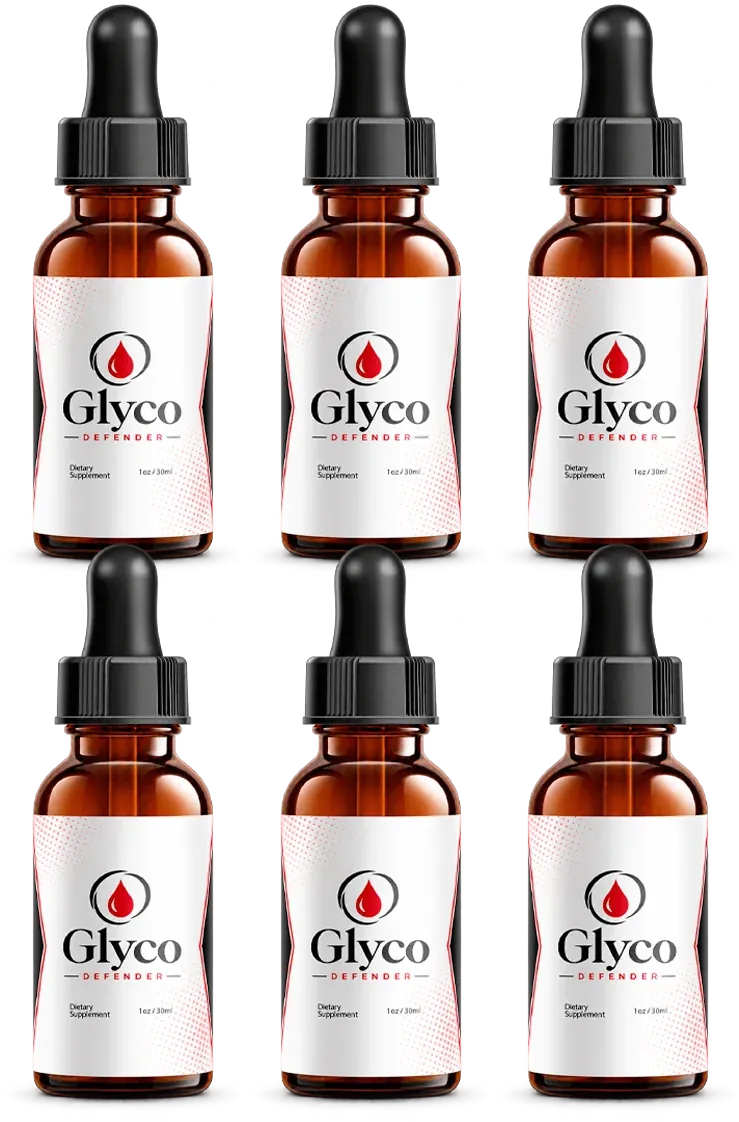
Lowest per bottle
6 bottles · 180 days
$294$49 a bottle · about $1.63 a day
Free US shipping
Get 6 bottlesSales-page prices, October 18, 2026 (Glyco Defender sales page). One bottle is $89. Check your medicines with your doctor first. 60-day money-back guarantee.
Glyco Defender is a dietary supplement, not a treatment. Ask your doctor or pharmacist first if you use insulin, a sulfonylurea or another glucose-lowering drug, a blood thinner, blood pressure or heart-rhythm medicine, an antidepressant or thyroid medicine. Chromium, gymnema and ginseng may add to diabetes medicines and cause lows; guarana and green tea add caffeine. Keep taking prescribed medicine. See side effects and interactions.
FAQ06
Glyco Defender questions people ask
Should I take a multivitamin for blood sugar?
A multivitamin is not proven to support blood sugar. The ADA finds no benefit from supplements without a deficiency (ADA, Vitamins & Supplements). Ask your doctor whether a blood test shows a gap before you buy anything.
Is 350 mg of magnesium a day safe?
NIH sets 350 mg a day as the upper limit for supplemental magnesium in adults, not counting food (NIH ODS, Magnesium). Higher amounts can cause diarrhea and cramps. If you have kidney problems, ask your doctor first.
Does the chromium in Glyco Defender count toward my daily value?
Yes, 7 mcg is 20% of the 35 mcg Daily Value, as listed on the label. Food also provides chromium. The adult Adequate Intake is 20 to 35 mcg a day depending on sex and age (NIH ODS, Chromium).
Who wrote this07
Written and reviewed by
Pages built from the label, the sales page and linked NIH, FDA, CDC, FTC and peer-reviewed sources.
Last updated . Learn about our editorial standards and how we check reviews. This website is run by a U.S. stocking partner for Glyco Defender, not by the manufacturer or the distributor. We are paid when you buy through our order links.
Related
More from the Glyco Defender blog
Keep reading
More about Glyco Defender

U.S. stocking partner for Glyco Defender
Ready to try Glyco Defender?
Check your medicines first, then pick a pack. Six bottles give the lowest price per bottle and ship free in the US; every pack comes with the 60-day money-back guarantee.
- Order on the sales page
- 60-day money-back
- Free US shipping on 6