Testing
How Often to Check A1C, Based on Your Last Result
How often to check A1C depends on your last result. The CDC says people with prediabetes will likely repeat it every 1 to 2 years, and most people with diabetes test at least twice a year. A normal result follows a schedule your doctor sets by age and risk factors.
Written by the Glyco Defender facts deskUpdated · 4 min read

The test01
What does an A1C test measure?
An A1C test measures your average blood sugar over the past 3 months (CDC, A1C Test). One finger-stick shows a moment, and A1C shows the trend.
The result is a percent. The NIDDK ranges are below 5.7% for normal, 5.7 to 6.4% for prediabetes and 6.5% or higher for diabetes (NIDDK, Diabetes & Prediabetes Tests).
A diagnosis needs confirmation, so a single high reading usually leads to a repeat test. Read more in the blood sugar numbers guide.
Because the test covers about three months, checking it every week tells you nothing new. Daily meter readings answer a different question, covered in the morning routine post.
The schedule02
How often should you check A1C by result?
How often to check A1C follows your last result: your doctor sets the schedule for a normal reading, every 1 to 2 years for prediabetes, and at least twice a year for diabetes (CDC, A1C Test).
Anyone over age 45 should get a first A1C test. Younger people with overweight and other risk factors may be tested sooner (CDC, A1C Test).
| Where you are | Usual repeat |
|---|---|
| Normal result | Doctor sets it by age and risk factors |
| Prediabetes | Likely every 1 to 2 years |
| Diabetes | At least twice a year, sometimes more |
Your doctor may test more often after a medicine change or a new plan. Follow that advice over any general table.
Before the visit03
How do you prepare for an A1C check?
Prepare for an A1C check by writing down your last result, your medicines and any new supplement before the visit.
The test itself needs no special prep in most cases, and your lab will say if a fast is needed. Preparation is about the conversation, and a few minutes of notes can turn a rushed visit into a useful one.
- Bring your last A1C and the date it was taken.
- List every medicine, vitamin and supplement, with doses.
- Note changes in weight, sleep, activity or thirst.
- Write two questions, such as when to retest and what number to aim for.
The CDC lists signs of high blood sugar, such as frequent urination, thirst, hunger and blurry vision (CDC, Symptoms of Diabetes). Mention any of them, even if they seem minor, because they help your doctor decide how soon to retest.
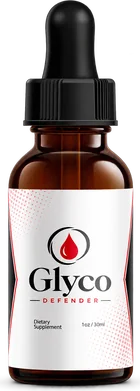
Glyco Defender: from $49 a bottle30 mL · 1, 3 or 6 bottles · free US shipping on 6 · 60-day money-back
See packsWhy it moves04
Can a new habit or supplement change your A1C?
A new habit can change your A1C over a few months, but a supplement has little reliable evidence behind it (NCCIH, Diabetes and Dietary Supplements).
Walking after meals, better sleep and weight loss are habits that tend to move the number. The effect takes time, because A1C averages three months.
The NCCIH finds only weak evidence for chromium, cinnamon and berberine, and none that herbs control diabetes (NCCIH, Diabetes and Dietary Supplements). Keep taking prescribed medicine and tell your doctor about any supplement before the test, so the result is read in context.
If you start a new routine on a Monday in October, the first check that reflects it fairly is around mid-January.
Your routine05
How do you track a routine between A1C tests?
Track a routine with simple check-ins at day 30 and day 60, and bring the notes to your next A1C visit.
If you decide to try Glyco Defender drops, the steps below follow the label (see how to use for the full directions): shake well, take one dropperful daily, then check in. The drops are a supplement, and their effect on A1C is unknown. The ingredient list shows what is inside, including the 7 mcg of chromium, so your doctor can judge it.
- 01
Shake the bottle
The label says to shake well before each use, because liquids settle. With a new bottle, first make sure the safety seal is intact.
- 02
Fill one dropper
Squeeze the bulb and let it refill. One full dropper is 1 mL, one serving, and the label stops at one a day.
- 03
Mouth or water
Place it in your mouth and swallow, as the label says, or stir it into a glass of water, as the sales page allows. Keep prescribed medicine on its usual schedule.
- 04
Check in at day 30 and 60
A bottle lasts 30 days. The money-back window closes 60 days after purchase, so decide by then. Share any meter log with your doctor.
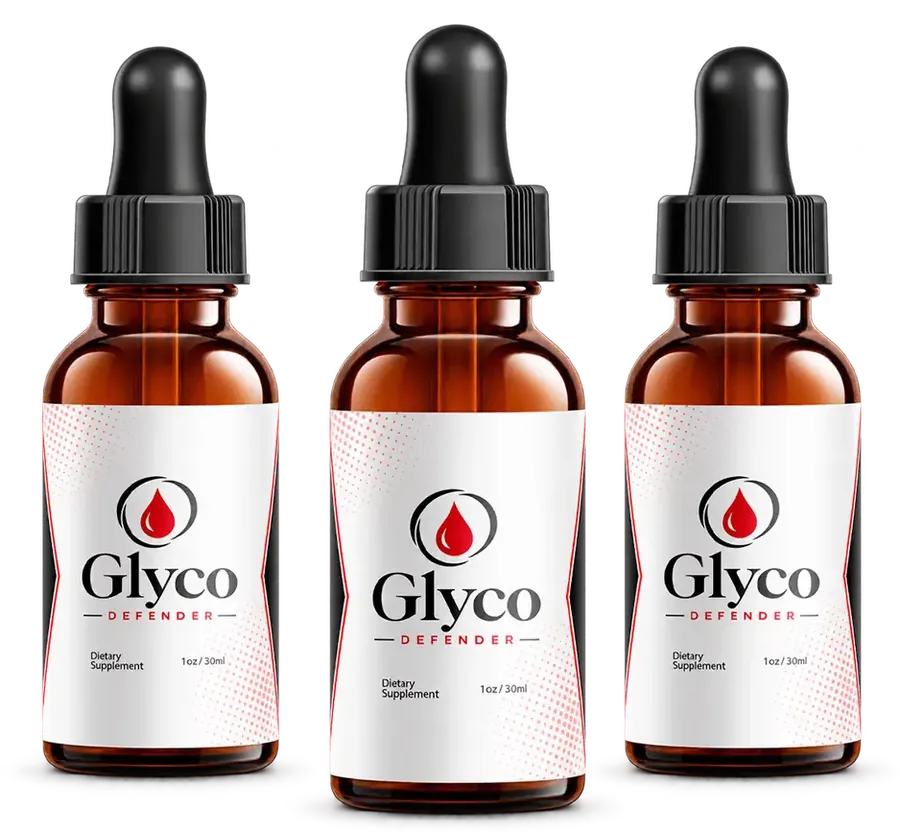
90-day supply
3 bottles · 90 days
$177$59 a bottle · about $1.97 a day
Price shows “+ Shipping”
Get 3 bottles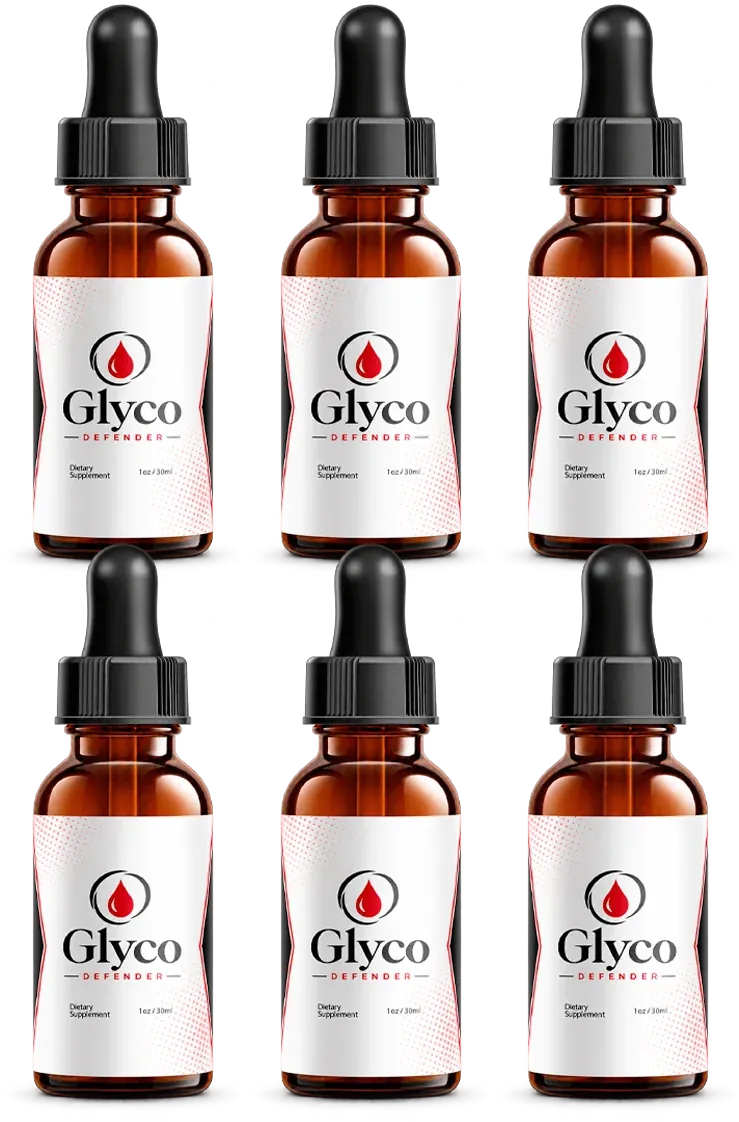
Lowest per bottle
6 bottles · 180 days
$294$49 a bottle · about $1.63 a day
Free US shipping
Get 6 bottlesSales-page prices, October 18, 2026 (Glyco Defender sales page). One bottle is $89. Check your medicines with your doctor first. 60-day money-back guarantee.
Glyco Defender is a dietary supplement, not a treatment. Ask your doctor or pharmacist first if you use insulin, a sulfonylurea or another glucose-lowering drug, a blood thinner, blood pressure or heart-rhythm medicine, an antidepressant or thyroid medicine. Chromium, gymnema and ginseng may add to diabetes medicines and cause lows; guarana and green tea add caffeine. Keep taking prescribed medicine. See side effects and interactions.
FAQ06
Glyco Defender questions people ask
Can I check A1C at home?
Yes, home A1C kits exist, but they are not a substitute for a lab test your doctor orders. Results can differ between kits and labs. Bring a home reading to your clinic and ask whether a lab draw is needed to confirm it.
Is A1C the same as a fasting glucose test?
No. A1C shows a three-month average (CDC, A1C Test), while fasting glucose shows one morning after you have not eaten. The NIDDK uses both for diagnosis, with different cutoffs, so doctors often order one or both.
How soon can A1C change after a diet change?
Because A1C reflects about three months, a diet change shows up gradually. Retesting too soon can understate your progress. Ask your doctor for the right interval, which is often around three months after a plan starts.
Who wrote this07
Written and reviewed by
Pages built from the label, the sales page and linked NIH, FDA, CDC, FTC and peer-reviewed sources.
Last updated . Learn about our editorial standards and how we check reviews. This website is run by a U.S. stocking partner for Glyco Defender, not by the manufacturer or the distributor. We are paid when you buy through our order links.
Related
More from the Glyco Defender blog
Keep reading
More about Glyco Defender

U.S. stocking partner for Glyco Defender
Ready to try Glyco Defender?
Check your medicines first, then pick a pack. Six bottles give the lowest price per bottle and ship free in the US; every pack comes with the 60-day money-back guarantee.
- Order on the sales page
- 60-day money-back
- Free US shipping on 6